
The beauty of the Isle of Arran
Let me take you on a virtual journey to the Isle of Arran on the west coast of Scotland. As this is a whisky blog, the primary reason for my visit was, of course, whisky. Today, the island is home to two active distilleries, both owned by The Isle of Arran Distillers. The Lochranza Distillery, at the northern end of the island, was established in 1995, while Lagg Distillery, in the very south, followed in 2019.

Typical Scottish weather upon arrival (Photo: Whisky Saga)
Getting There and First Impressions
I flew into Edinburgh Airport, where I rented a car and, for the first time in my life, prepared to drive on the “wrong” side of the road. Five consecutive roundabouts near the airport provided an intense yet memorable introduction to Scottish driving habits. I kept repeating the mantra “keep to the left, look to the right”, and somehow made it safely to the ferry terminal in Ardrossan. The drive took about two hours, although my sense of time was admittedly distorted by a near‑constant state of mild panic.
After a short wait, I boarded the ferry bound for Brodick on the Isle of Arran. Weather does tend to affect ferry schedules in Scotland, perhaps even more so than in Norway. The crossing takes roughly one hour.
My first sight of the island was, at best, underwhelming. Rain fell steadily, and heavy fog obscured almost everything. Then, as we approached the harbour, the weather began to lift. Through the thinning mist, the dramatic rise of Goat Fell emerged above the coastline. Its rugged silhouette, combined with the shifting light over sea and hills, conveyed both immediacy and scale.
From the moment you step off the ferry, there is an unmistakable sense of variety. The coastline, the beaches, the hills, the woods. Arran feels like an entire country compressed into a single island.
Geography and Landscape
The island is often referred to as “Scotland in miniature”. The northern half is mountainous and rugged, while the southern half is gentler and more lowland‑like. The division is roughly marked by the Highland Boundary Fault, which crosses the island. North of the fault lie granite massifs, with Goat Fell as the highest peak at 874 metres. To the south, the terrain gives way to rolling hills, farmland, coastal plains, and softer landscapes.
The Isle of Arran is the seventh largest and southernmost inhabited island in Scotland.

Thank you for the nice welcome! (Photo: Whisky Saga)
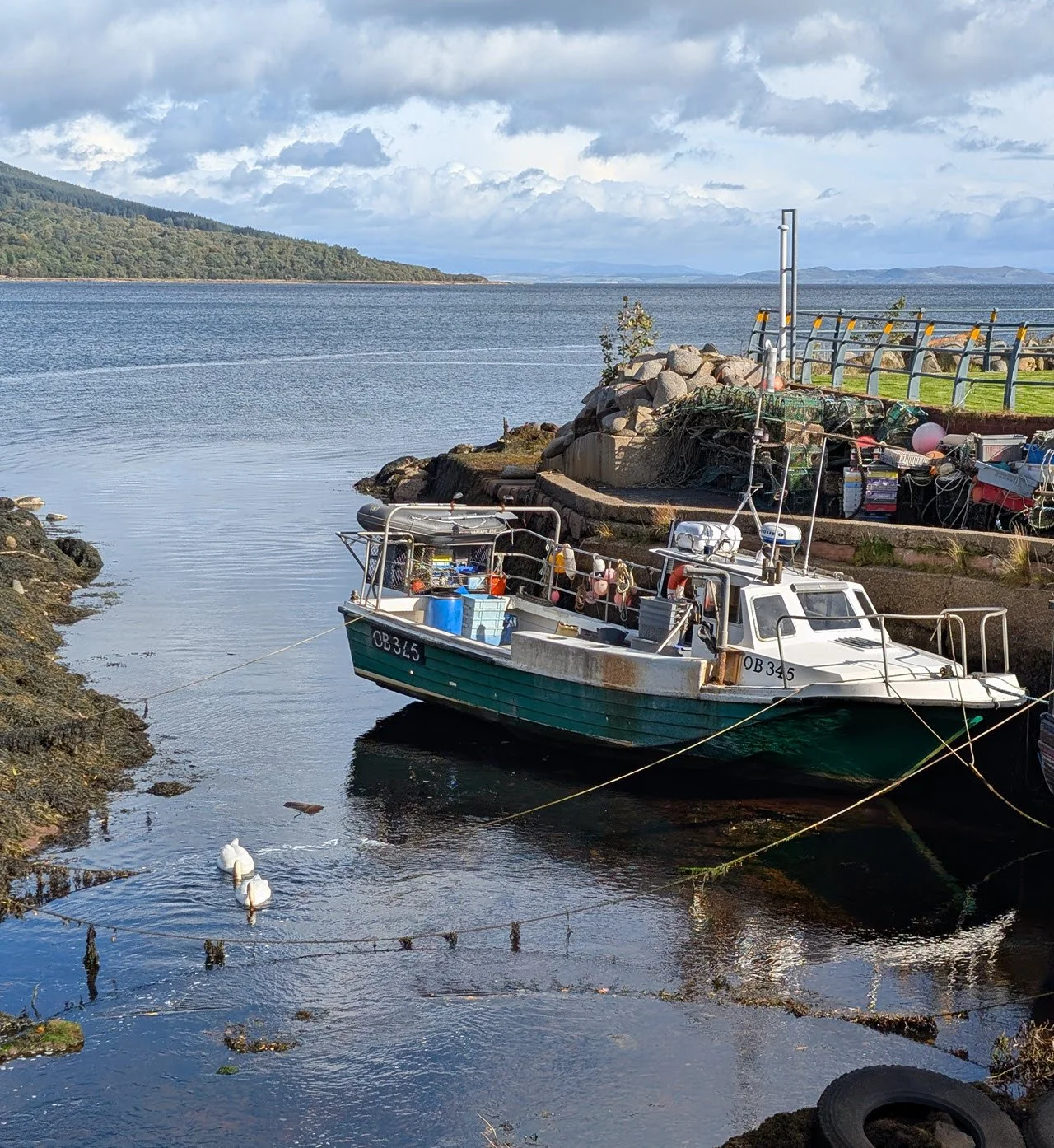
I love details like this (Photo: Whisky Saga)
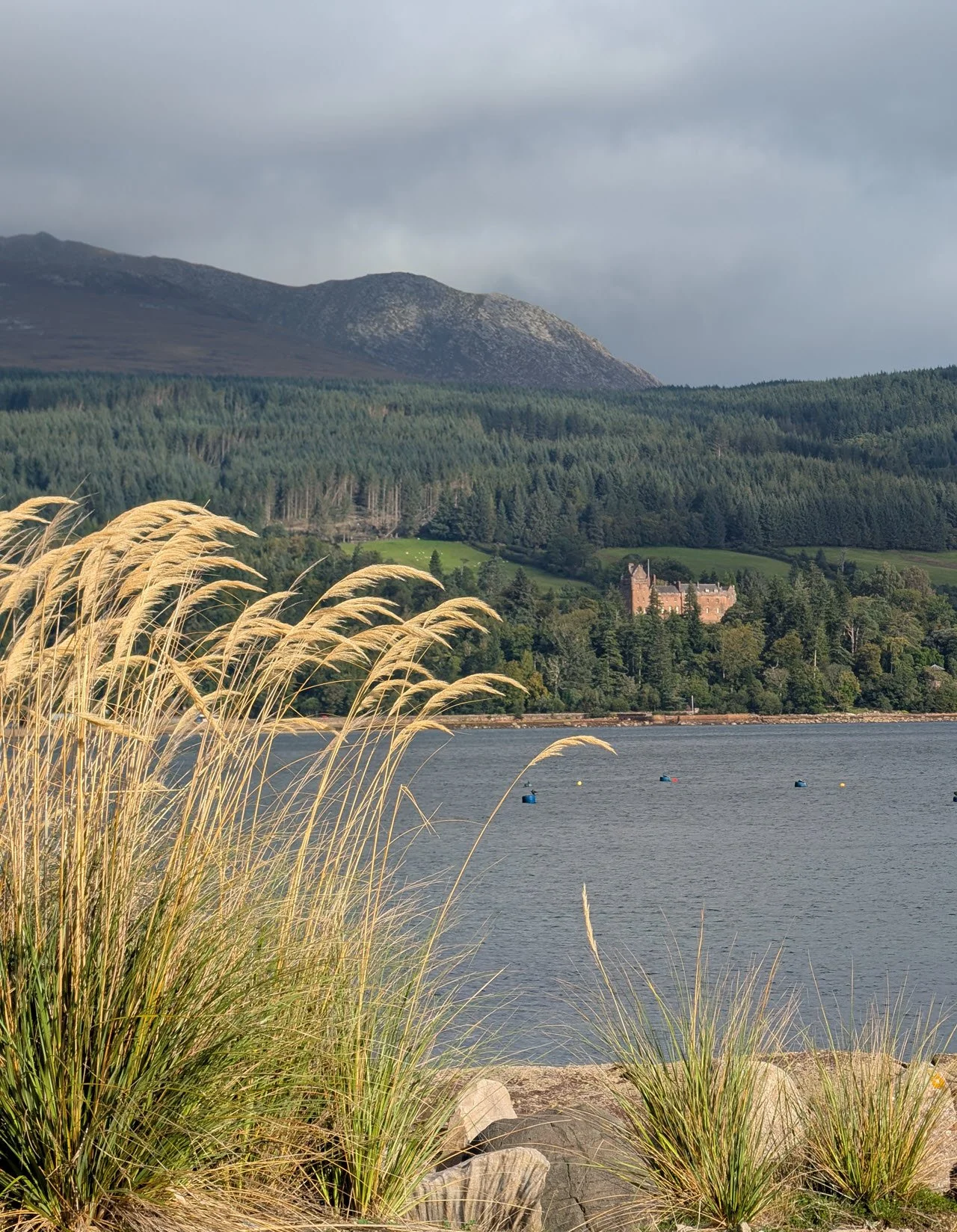
The Brodick Castle can be seen from the harbour (Photo: Whisky Saga)

Details from Brodick (Photo: Whisky Saga)
History in Brief
Human presence on Arran stretches back thousands of years. The island boasts a rich Neolithic and prehistoric heritage, most famously expressed in the Machrie Moor Standing Stones. This landscape of stone circles, burial cairns, hut circles, and ancient field systems dates from roughly 3500 to 1500 BC. Standing among these literal memories of deep time was a powerful experience.
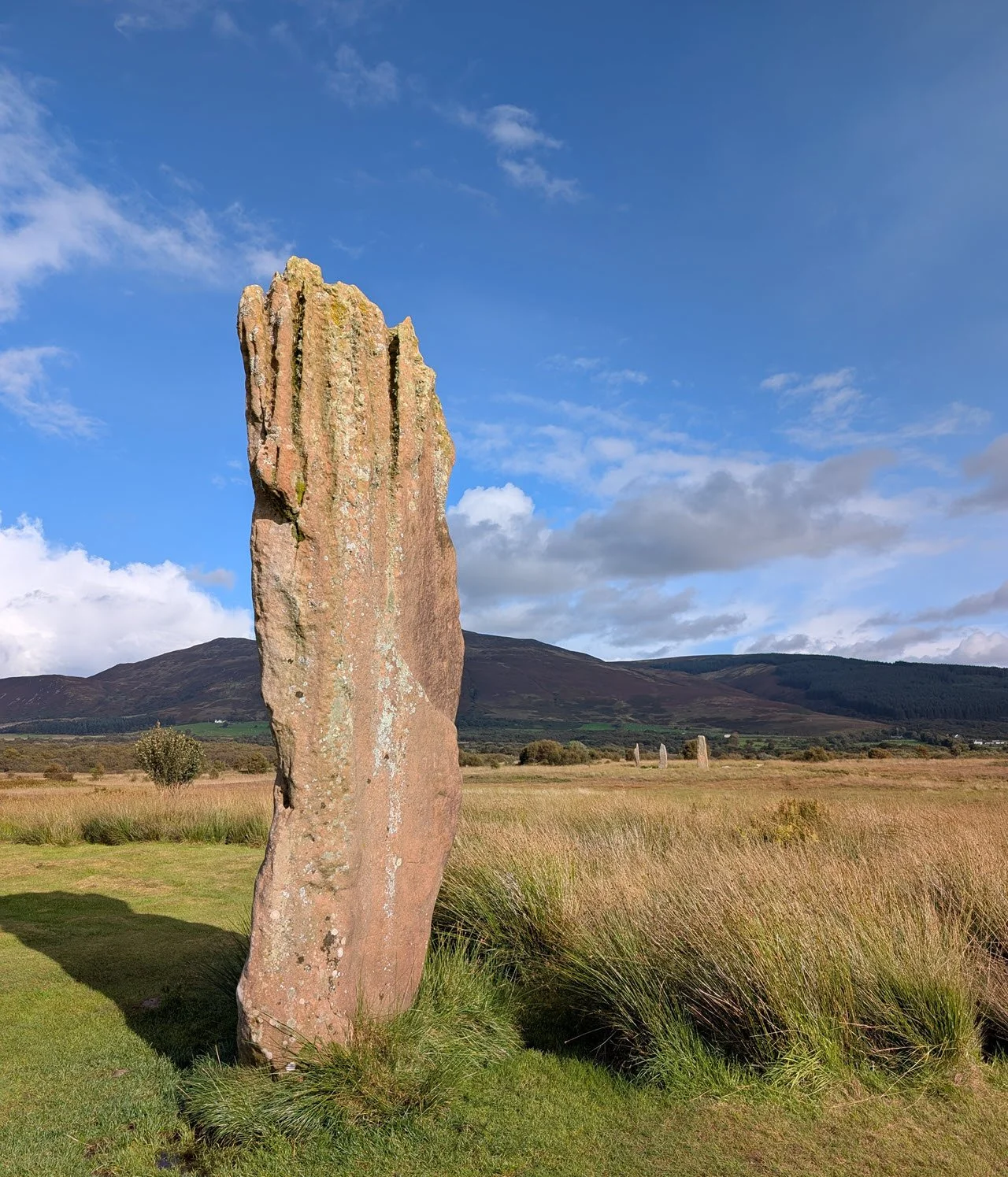
One of the Machrie Moor Standing Stones (Photo: Whisky Saga)
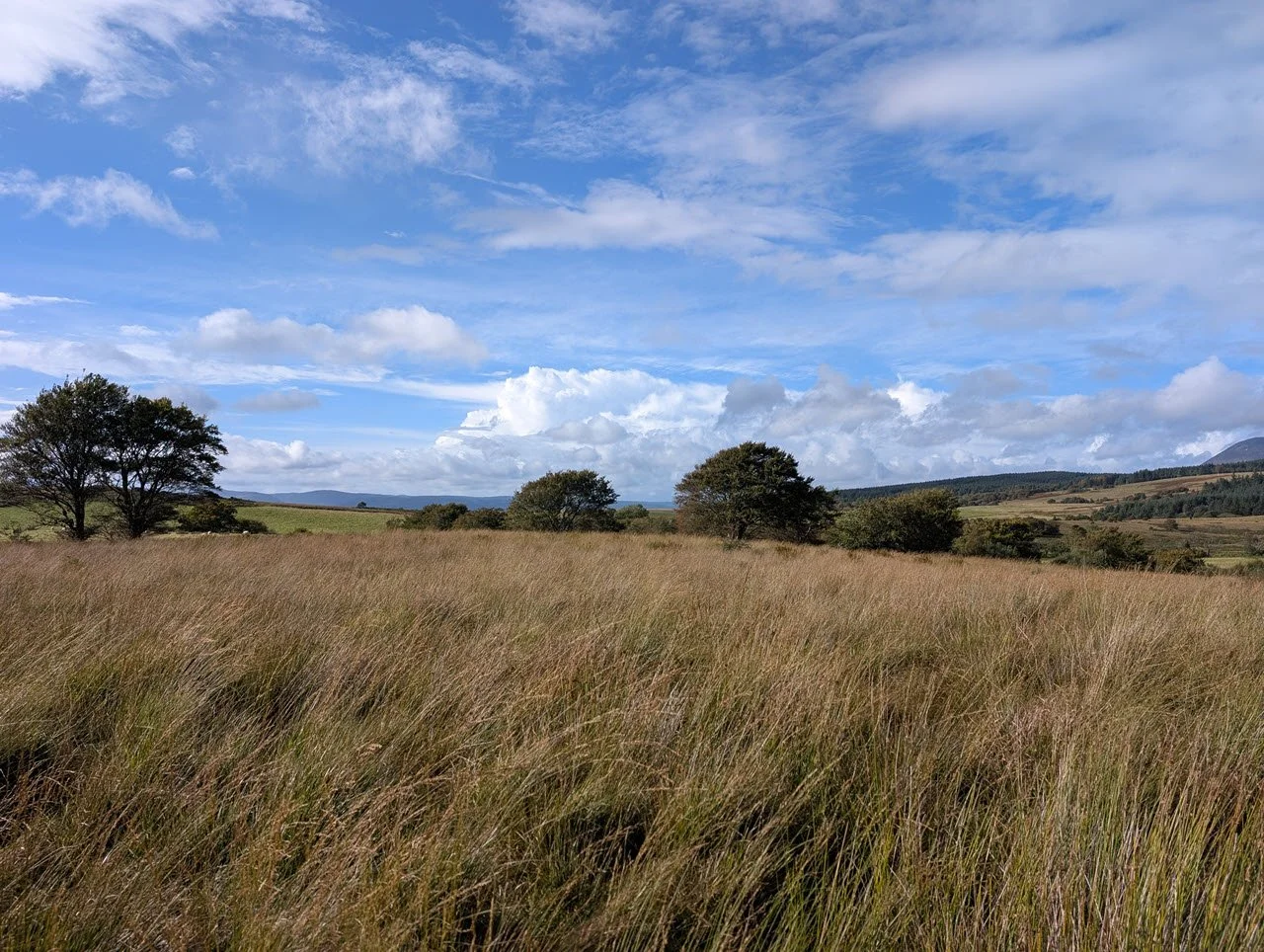
Lovely landscape near the standing stones (Photo: Whisky Saga)
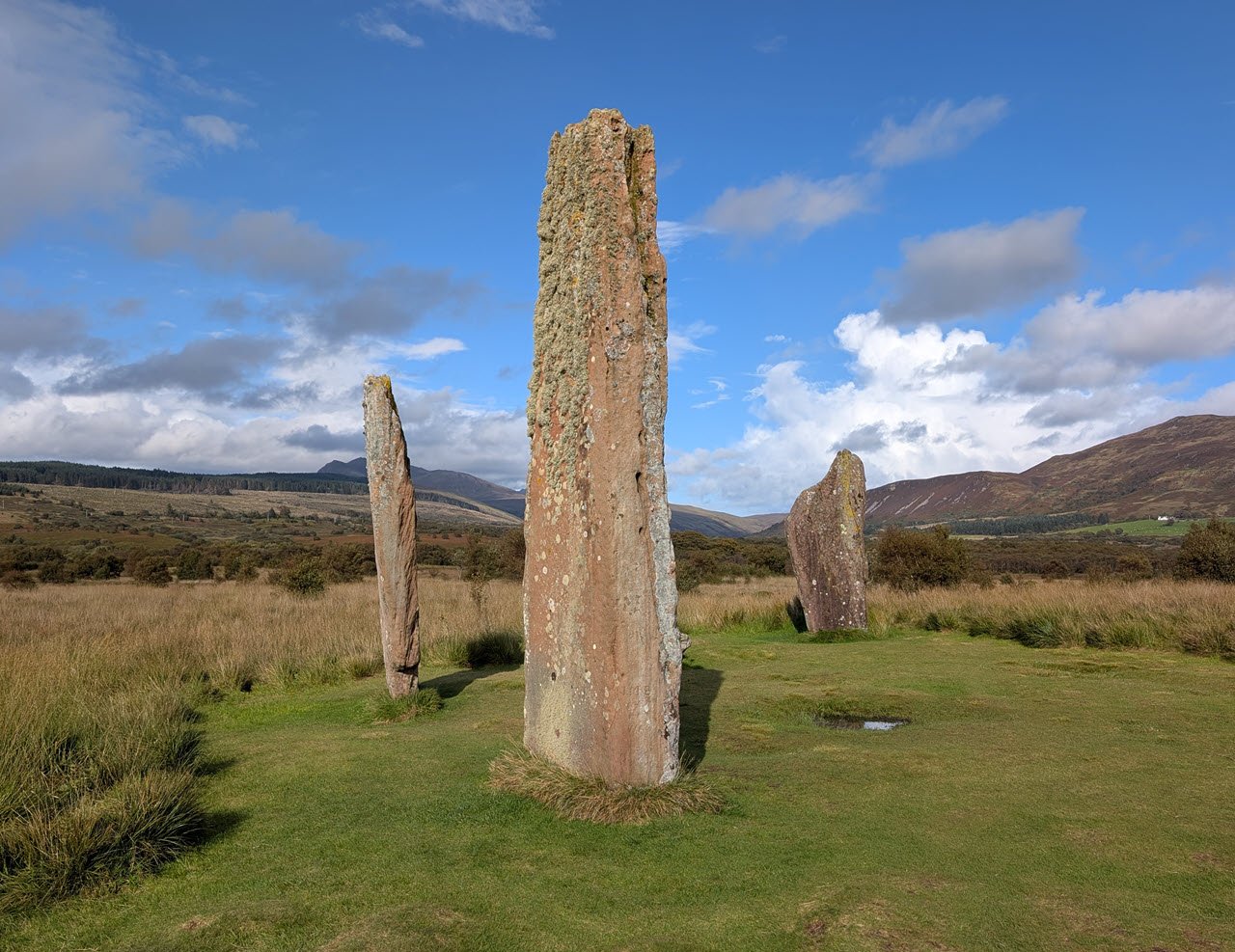
More of the Machrie Moor Standing Stones (Photo: Whisky Saga)
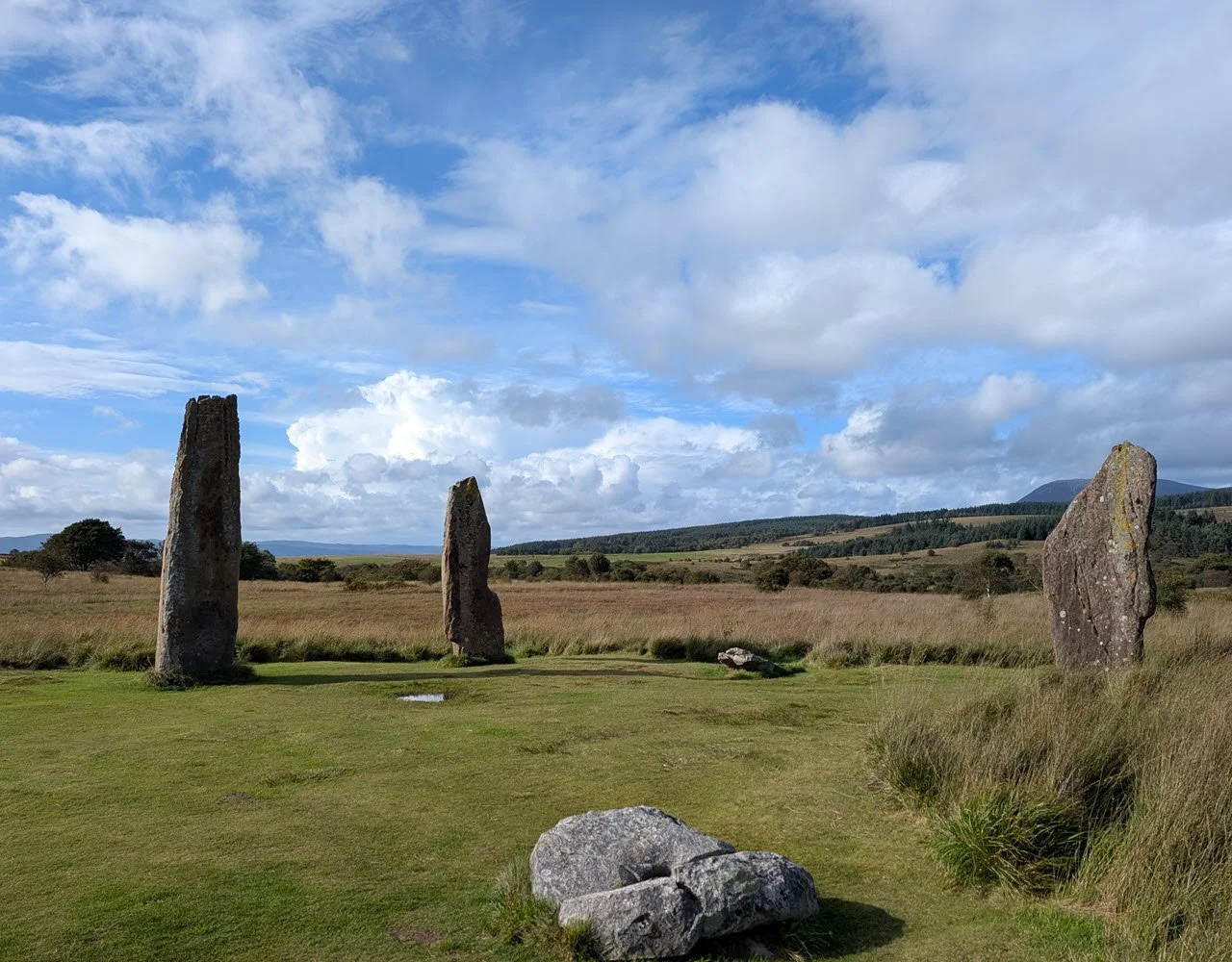
Even more of the Machrie Moor Standing Stones (Photo: Whisky Saga)
In later centuries, the island came under Norse influence and developed through the familiar patterns of Scottish clan and feudal history. The blend of Norse and Scottish heritage contributes to Arran’s layered and complex cultural identity.
Like most parts of Scotland, Arran also had a long tradition of illicit distilling and moonlight whisky production. Its relative remoteness helped many small producers stay beyond the reach of the excise men. Arran was considered isolated from mainland Scotland for a long time due to poor transport links and limited landing facilities. As late as 1855, it was lamented that “there is not a single wharf on the whole island, and people, cattle and produce have to be embarked and landed by means of small boats, just as was the custom in the days of Robert the Bruce” (York Herald, 1855).
Modern-Day Whisky Production on the Island
Legal whisky production in modern times began in 1995 with the establishment of Arran Distillery, now officially known as Lochranza Distillery. It is located near the historic settlement of Lochranza in the north of the island. The style of whisky produced here is generally unpeated, fruity, and often described as “a Speyside from an island”.
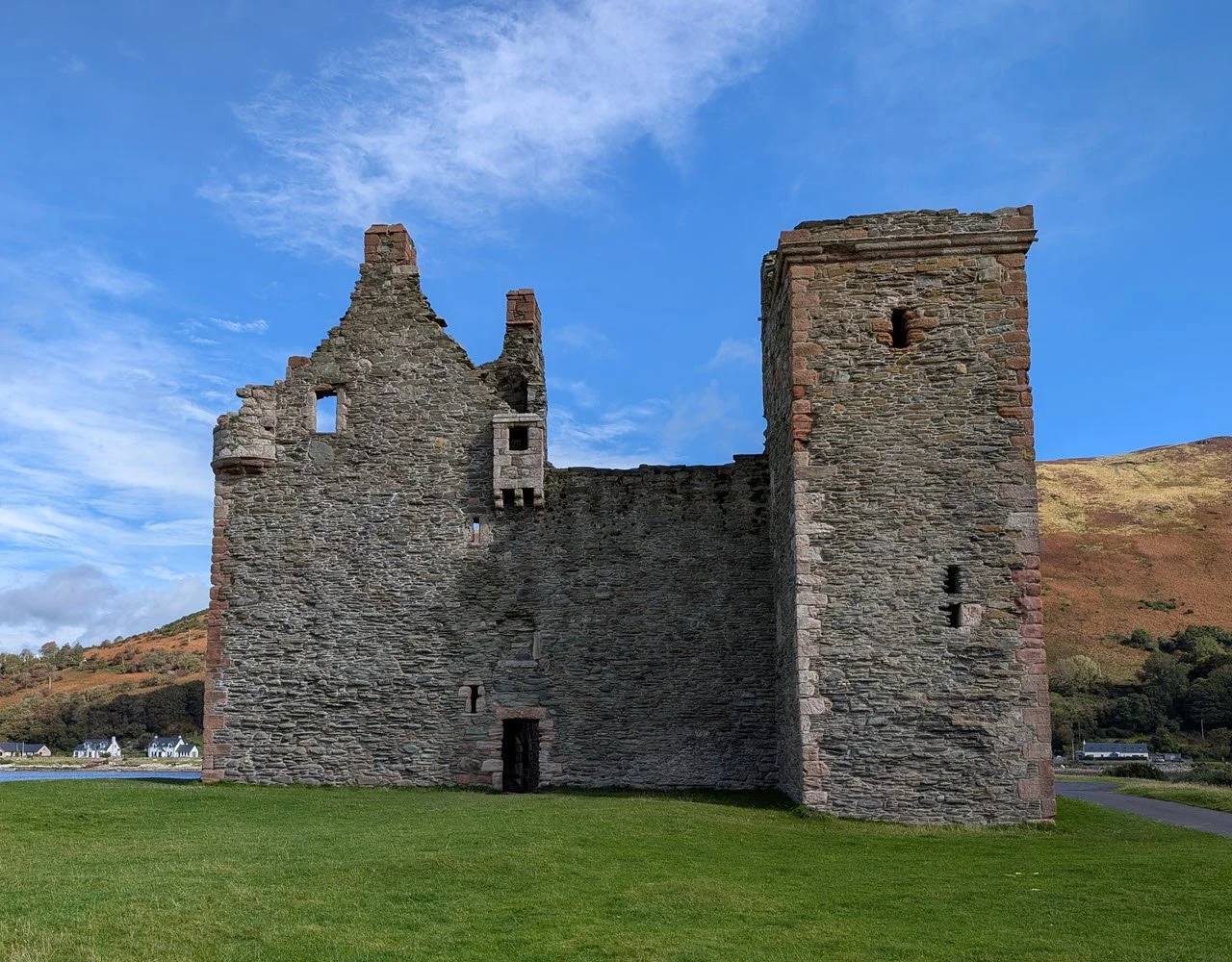
The Lochranza Castle (Photo: Whisky Saga)
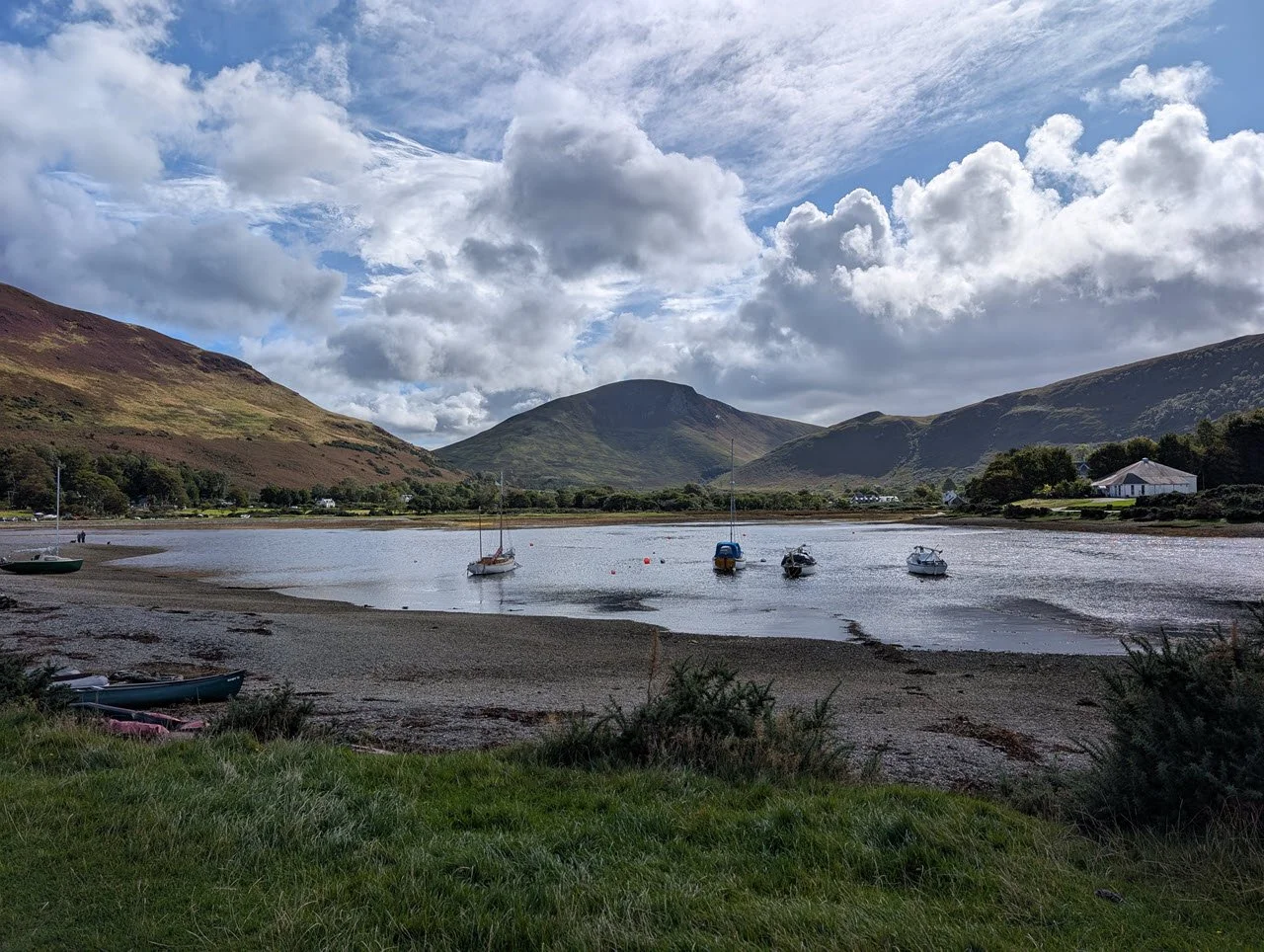
Details from near the Lochranza Castle (Photo: Whisky Saga)
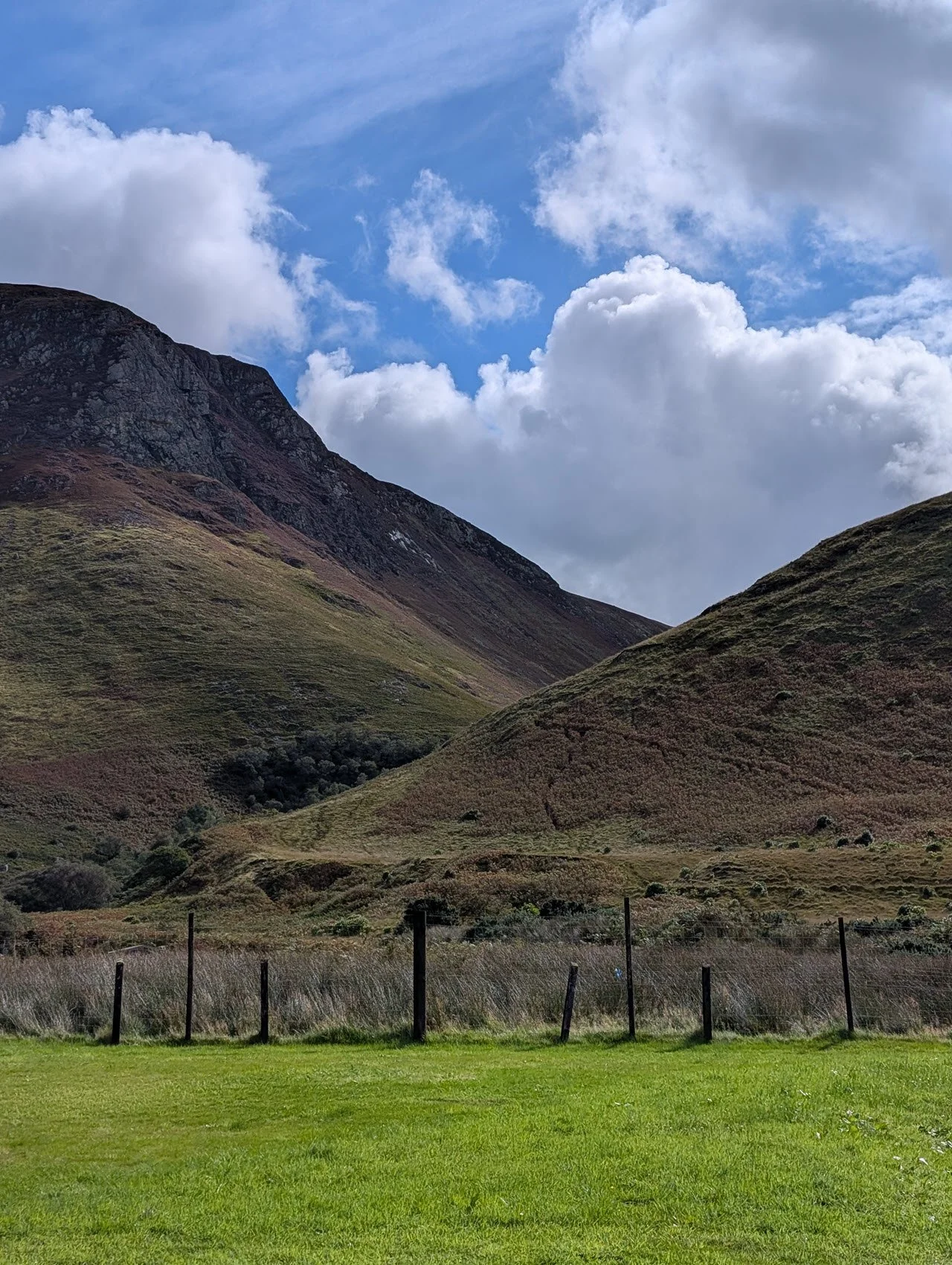
The view from right outside the Lochranza Distillery (Photo: Whisky Saga)
In 2019, the second modern distillery on the island was established: Lagg Distillery. Like Lochranza, it is owned by Isle of Arran Distillers Ltd. Lagg Distillery sits on the southern coast near the hamlet of the same name and focuses exclusively on heavily peated single malts. This represents a deliberate return to Arran’s smoky, more traditional island whisky heritage.
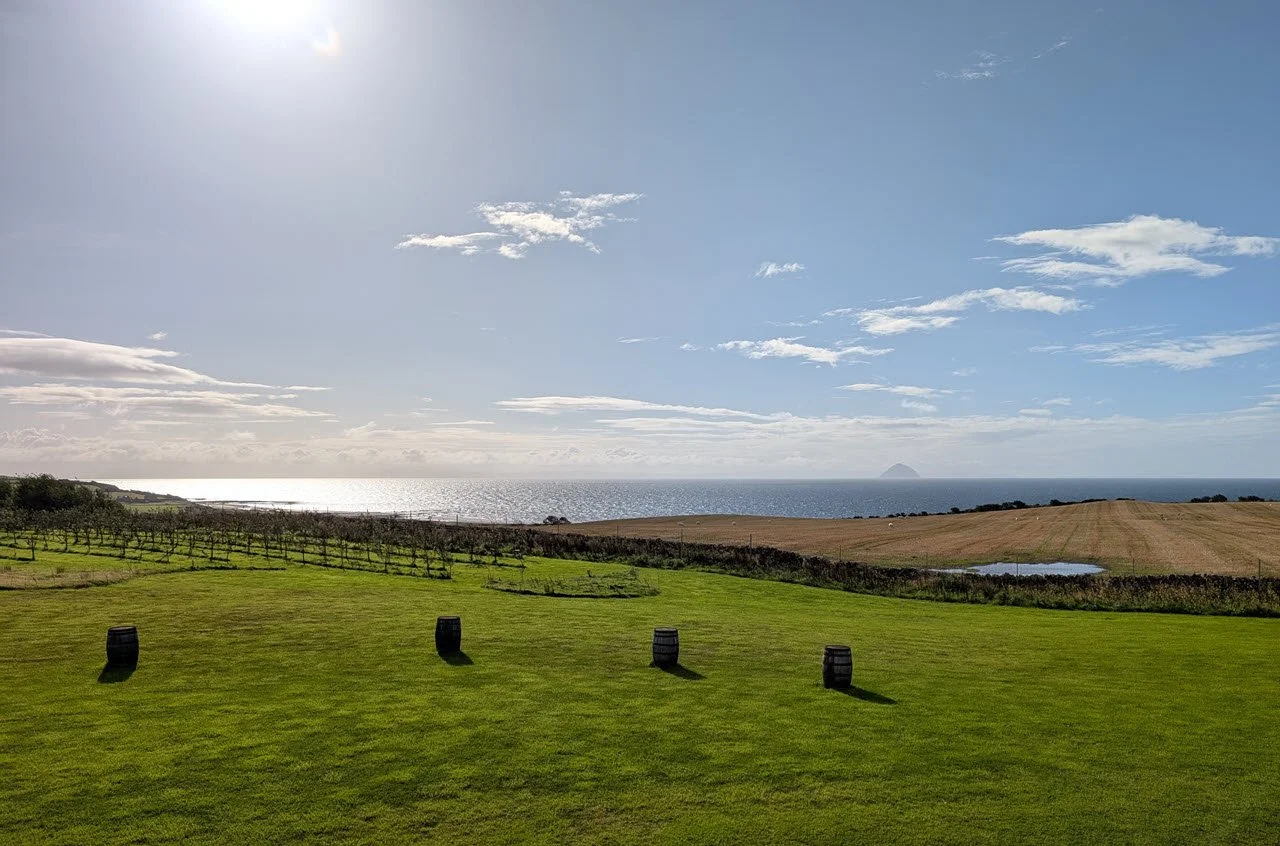
The view from outside the Lagg Distillery (Photo: Whisky Saga)
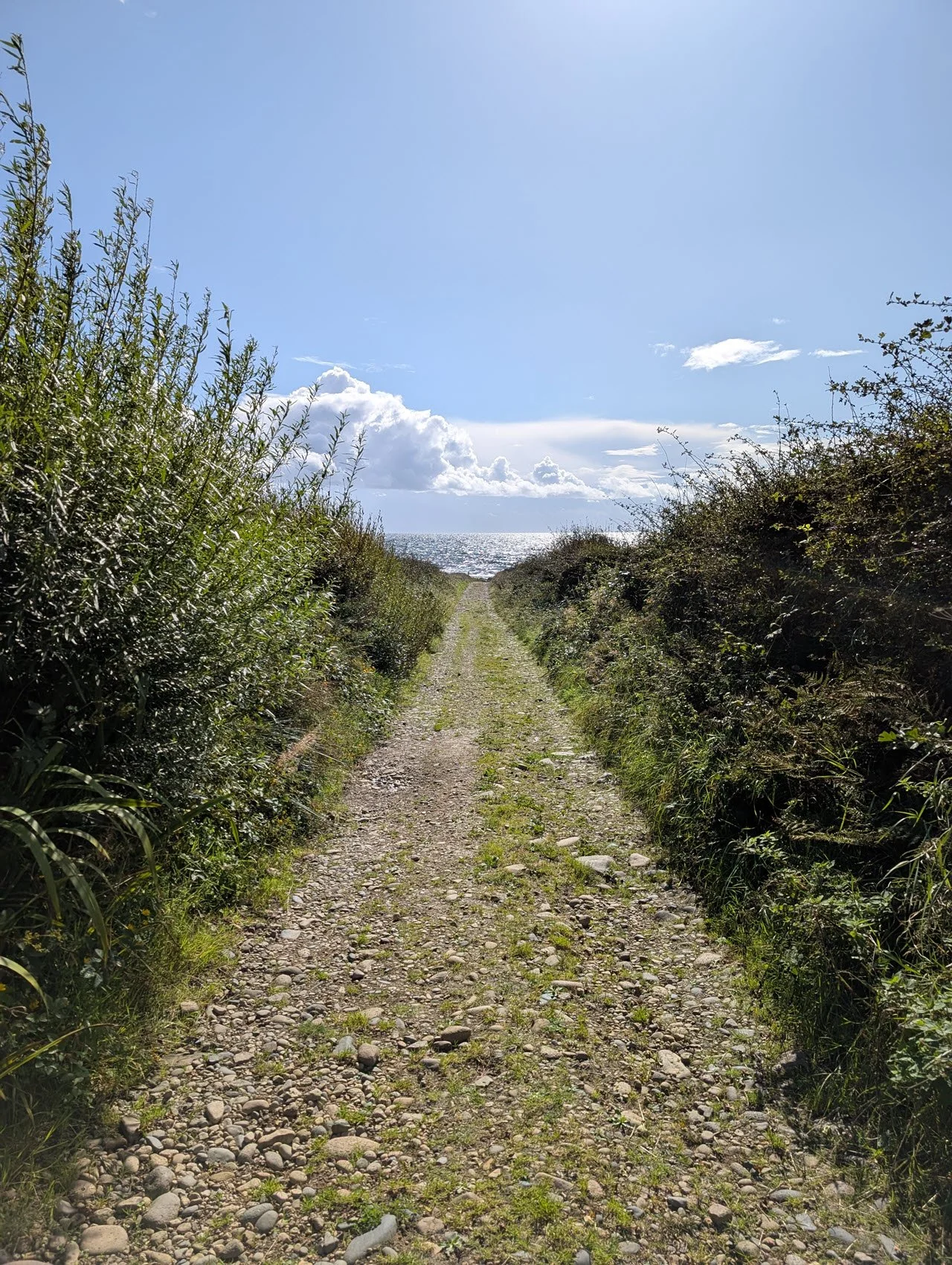
Approach to a lovely rocky beach near Lagg Distillery (Photo: Whisky Saga)
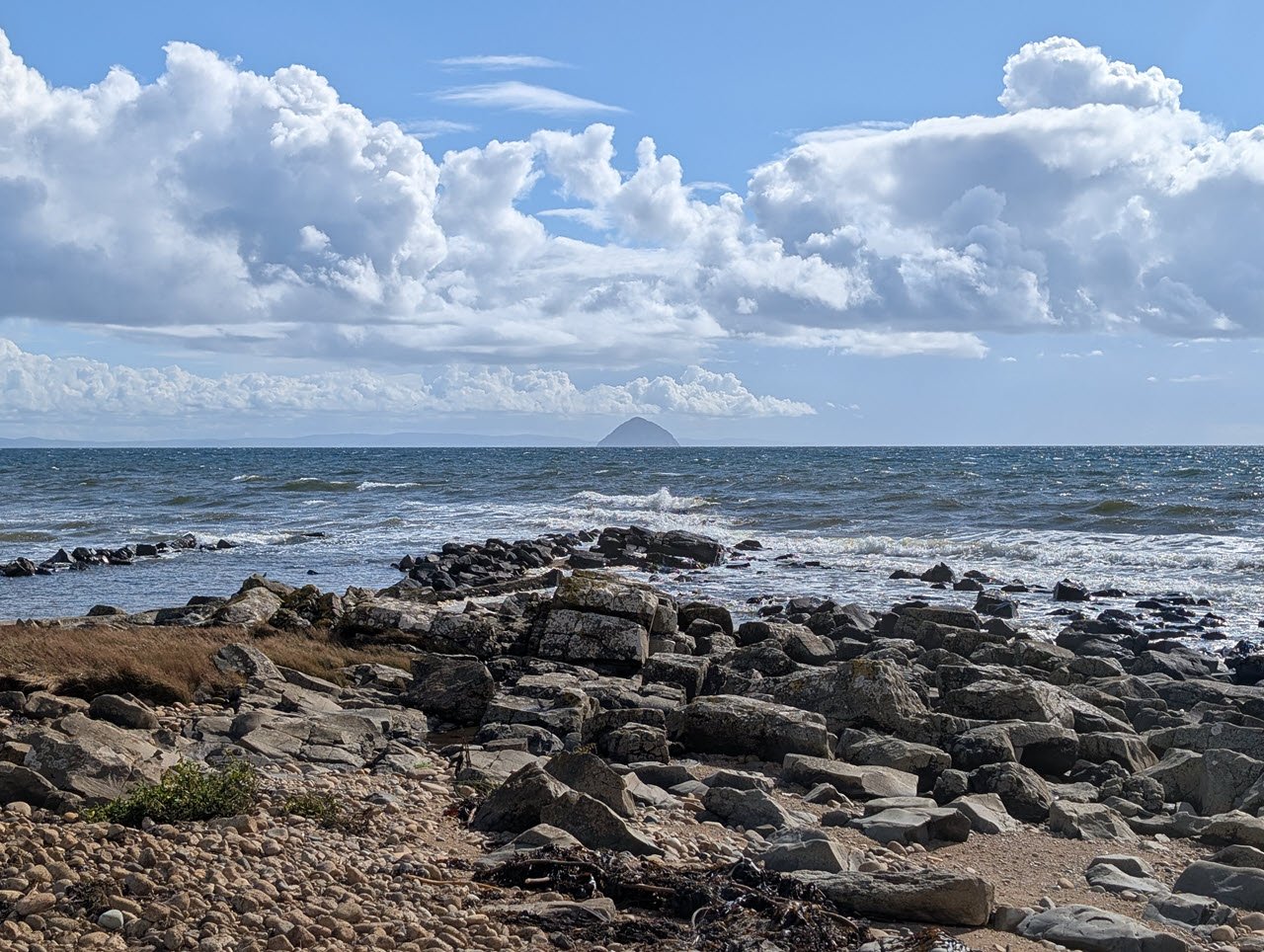
On the beach we could clearly see the island of Ailsa Craig (of curling stone fame) (Photo: Whisky Saga)
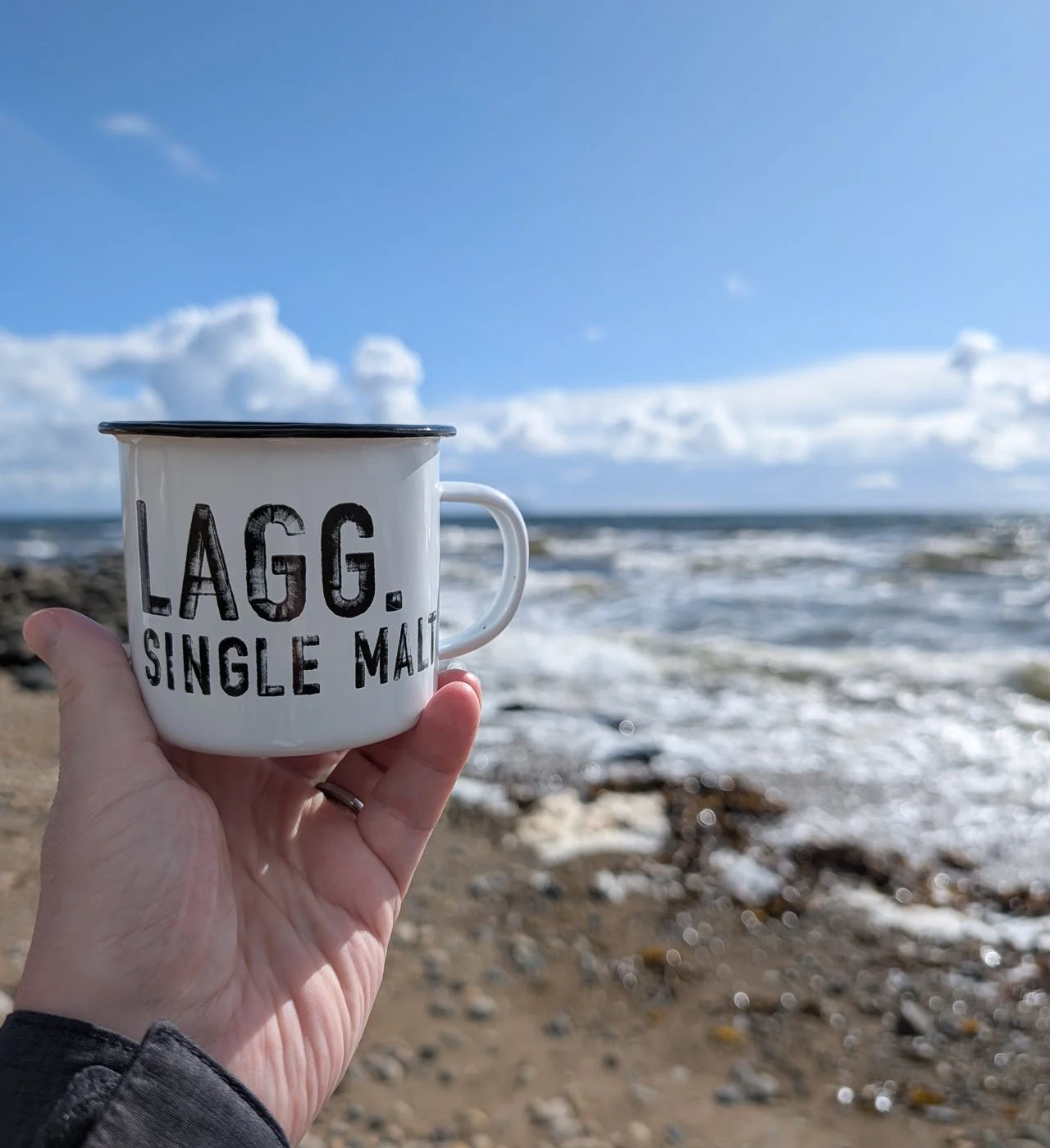
I got to enjoy a proper Lagg whisky dram on the beach (Photo: Whisky Saga)
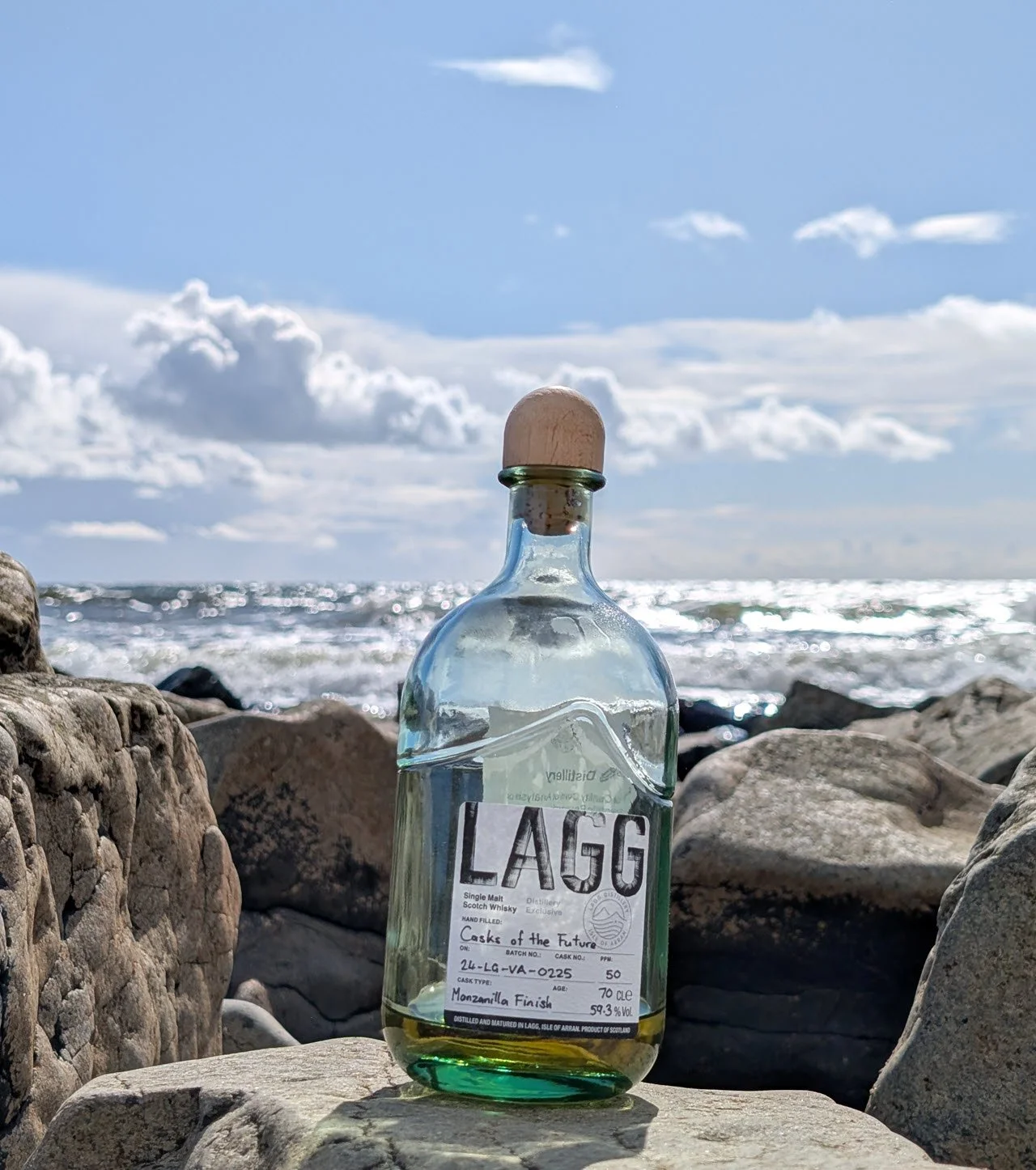
The beforementioned wonderful Lagg whisky dram (Photo: Whisky Saga)
Both distilleries, and their whiskies, will be covered in dedicated, in‑depth articles here on Whisky Saga shortly.
Final thoughts
Visiting the Isle of Arran was truly a great experience. I loved the island itself, and of course the two distilleries. The tranquility and peace was clear from the moment I sent foot on the island, and I know I will have to come back one day.
Let me also mention that I stayed at a great hotel, right near the harbour, in Brodick. The Douglas Hotel is located in a residence built back in 1782, converted into a hotel in 1852. The rooms are great, the bar is very well stocked, and the restaurant is amazing.
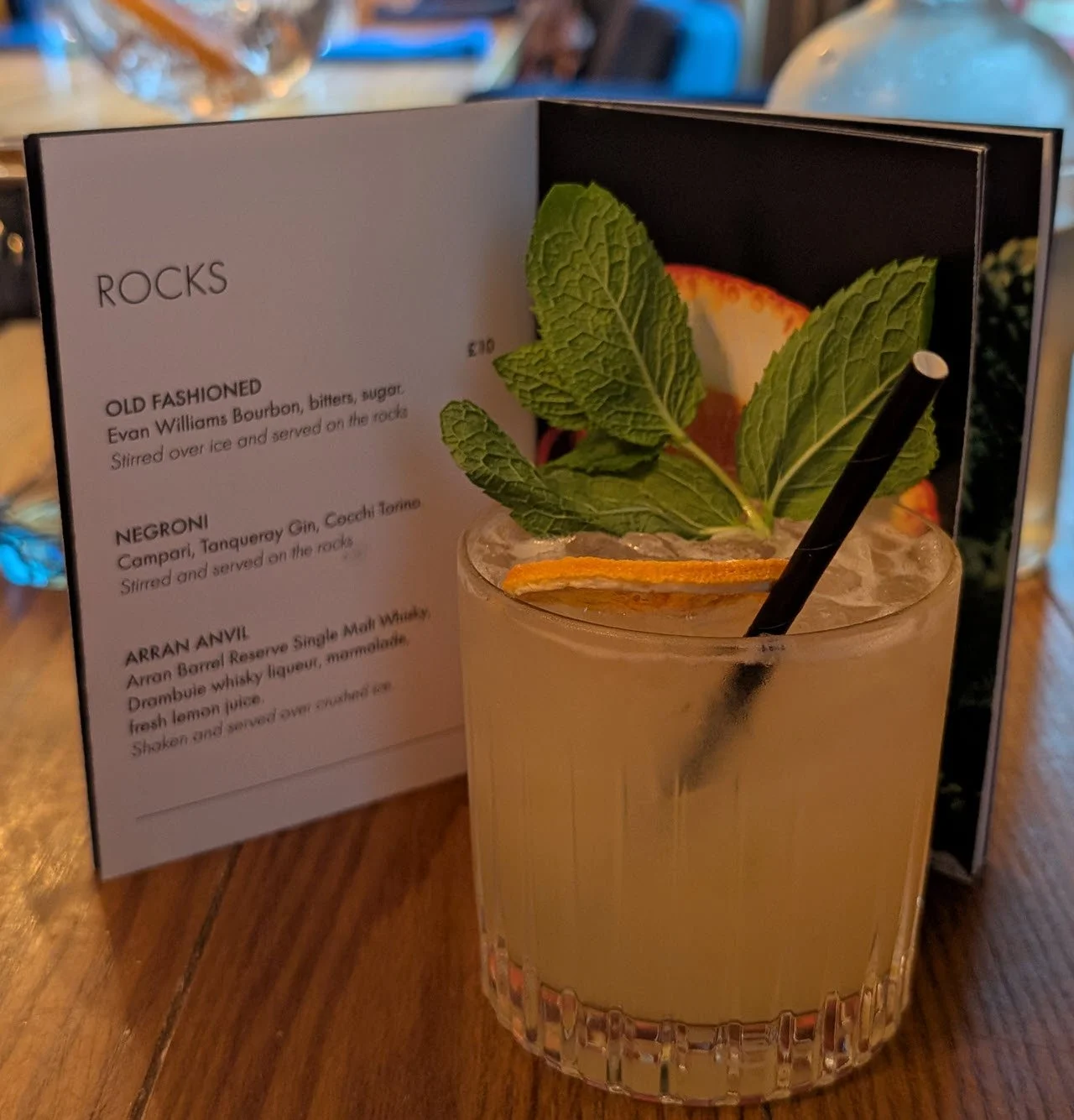
One of many great cocktails served at The Douglas Hotel. This was my favourite though (Photo: Whisky Saga)
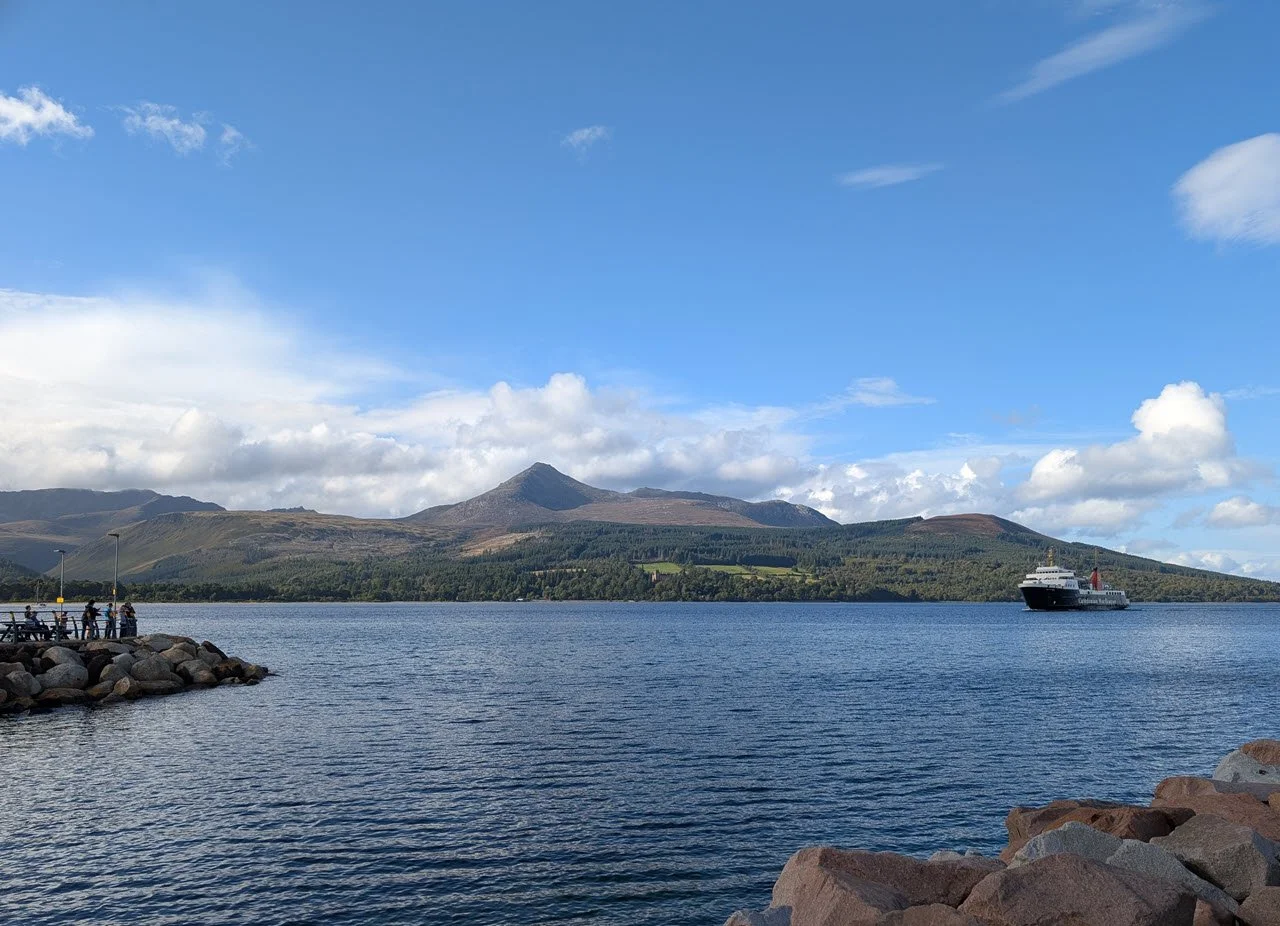
The ferry is coming to take me away, but I shall be back! (Photo: Whisky Saga)
Sláinte!
- Thomas